Top 10 Hidden Artifacts You Cannot Miss When You Book gem egypt
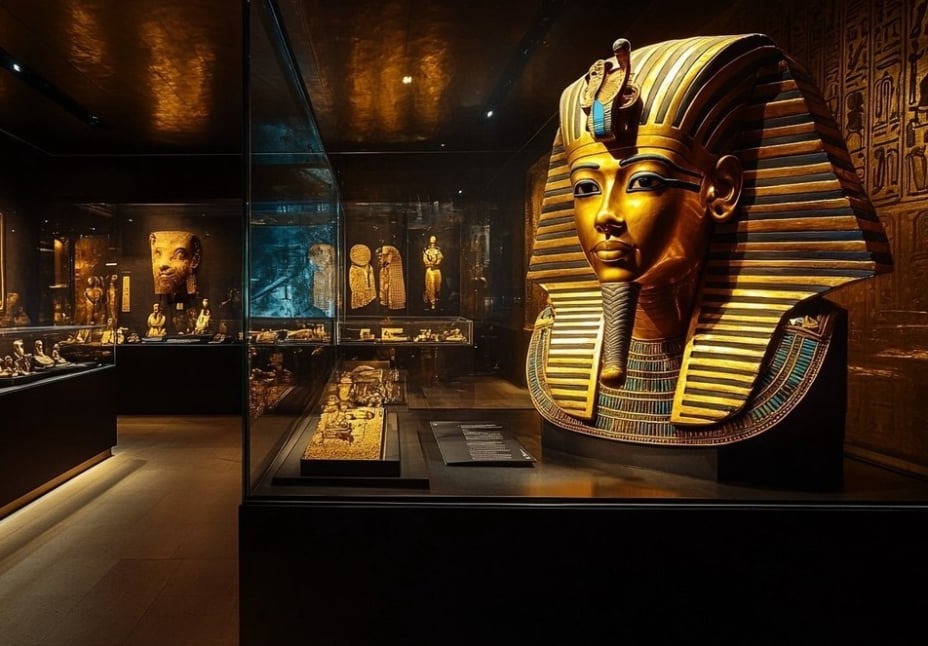
Most visitors beeline toward the famous golden funerary mask. That is understandable. But while they crowd around that single display case, they walk past ten smaller treasures that tell even more intimate stories. When you book gem egypt and plan a relaxed route, you can discover these hidden gems without elbowing anyone. Our first hidden artifact is the Scribe’s Palette of Ptahmose in Hall 14. It is a small slab of dark siltstone with carved hieroglyphs so fine that you need to lean close. Unlike larger pieces, this palette shows daily life—a scribe's tools, ink wells, and a prayer for good handwriting. It sits on a low shelf, often overlooked by people rushing to the next big statue.
Second on our list is the Leopard Head of an Unknown Princess. This small object is made of wood covered with gold leaf and real spots painted in black resin. It rests in a corner case near the textile section. What makes it special is the tiny ivory teeth, each individually carved. When you hold your gem tickets and take the less popular left corridor after the rotunda, you will find this piece in under two minutes. Third, look for the Boat Model of Meketre in Hall 22. Unlike famous solar barques, this model shows a simple fishing boat with tiny rowers, a net, and even a cat watching from the cabin. The level of daily-life detail is astonishing.
Fourth artifact: the Faience Hippopotamus nicknamed "William" by museum staff. It is a bright blue ceramic animal with lotus flowers painted on its body. Ancient Egyptians believed hippos represented chaos, so this small figurine had broken legs on purpose—to stop it from causing trouble in the afterlife. You will find it in a waist-high case between two large sarcophagi. Many gem egypt visitors miss it because they look up, not down. Fifth, seek the Ostrich Fan of Queen Henuttawy. The feathers are long gone, but the gold handle remains, showing a queen hunting in a marsh. The carving includes a dragonfly and a small frog, both symbols of rebirth.
Sixth hidden treasure is the Unfinished Head of Senenmut. This granite piece was abandoned by a sculptor thousands of years ago. You can still see chisel marks and grid lines. It teaches us how ancient artists worked. The head is placed near a column base in Hall 31, without any fancy lighting. Seventh: a Pair of Sandals Made of Reeds from a worker's tomb. They look almost new, with woven patterns and leather straps. Unlike royal gold sandals, these belonged to an ordinary builder. They sit in a flat case at ankle height. Eighth, the Lioness-Headed Vessel for holding perfume. It is tiny—smaller than a coffee cup—with agate eyes and a spout shaped as a roaring mouth. This vessel hides behind a pillar in Hall 18.
Ninth artifact: the Jewelry Box of a Temple Dancer. Inside are four broken silver bracelets and a small mirror. The box itself is made of ebony with ivory inlays showing musicians and clapping hands. It opens slightly so you can peek at the dark interior. Finally, the tenth hidden wonder is the Graffiti of a Child’s Hand on a limestone block. This is not an official artifact per se, but a stone reused from a house wall. A tiny handprint, probably from 1200 BCE, is pressed into the corner. Children who visit with their own gem tickets love finding this handprint. It makes history feel human. When you book gem egypt, print this list and make a game of locating all ten. You will leave with photos nobody else has.